

Common Question: Can You Refuse These Tests?
Many people ask us if they can refuse to take the breathalyzer and field sobriety tests (FST’s) that the cop asked them to do after they were stopped and questioned, but before they were actually arrested for driving under the influence of drugs and/or alcohol (DUI).
What Are Breathalyzers and FSTs?
Let’s first talk about what is meant by a breathalyzer test and field sobriety tests. These are tests that were developed in the 1970’s by the government to assist police officers in making a subjective determination on the streets of whether someone was under the influence of alcohol or a drug to the extent that their ability to safely drive a motor vehicle was impaired.
How the Preliminary Breath Test Works
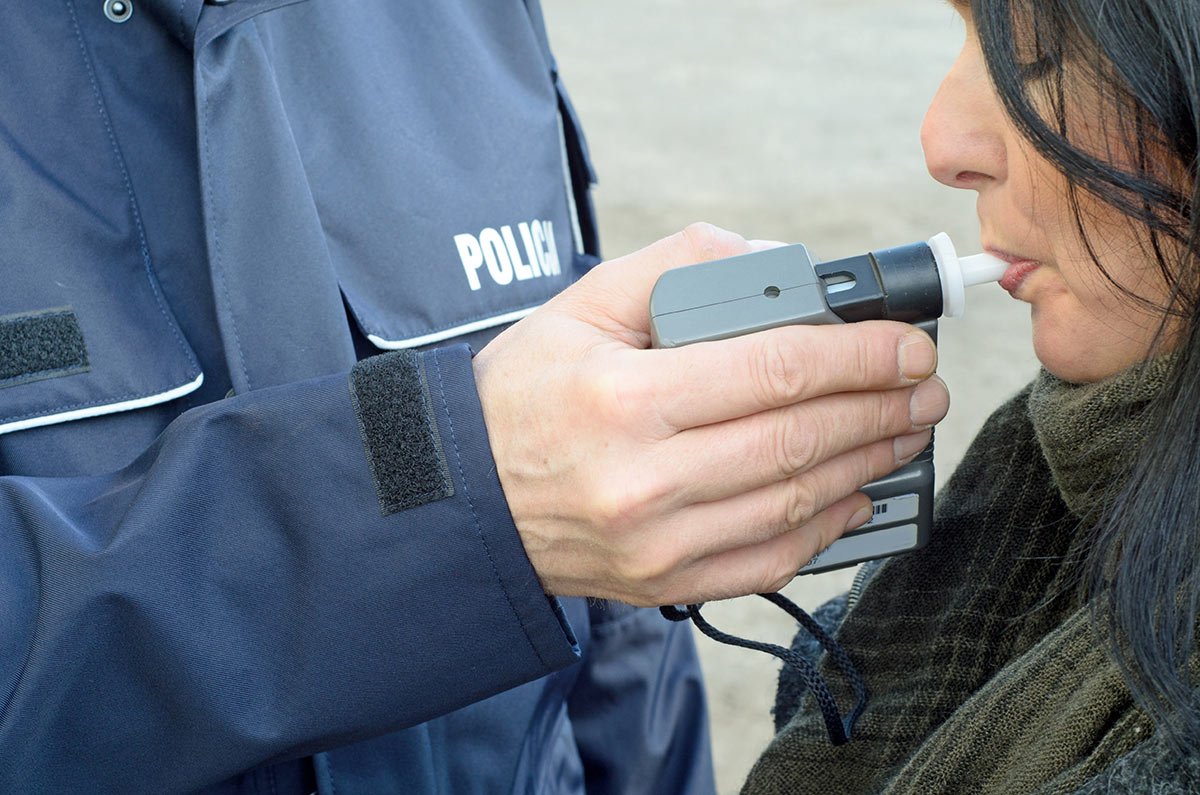
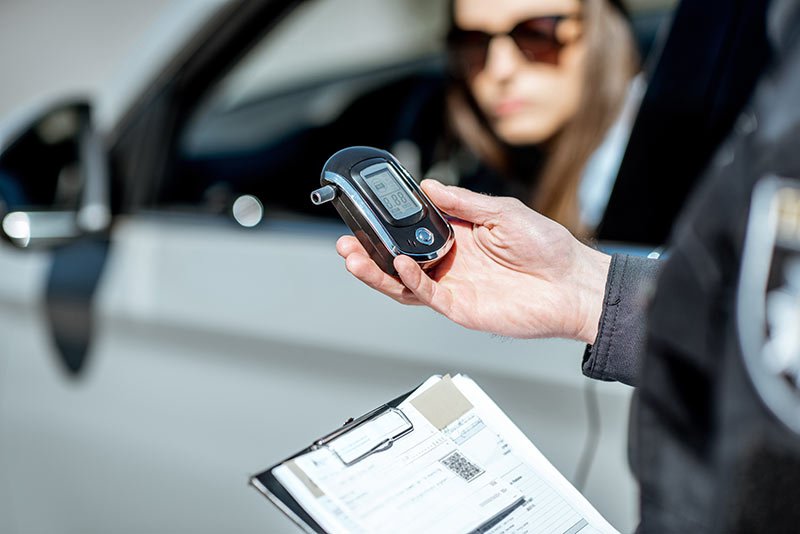
The breathalyzer test we are talking about is what is called a presumptive test that is administered by a small hand held machine that is supposed to be able to estimate the amount of alcohol in your blood system after one breathes into the machine. There is no such machine that is currently used by law enforcement if they suspect drug use. This breath test is presumptive because is not considered reliable enough in it’s results by the courts to be used as evidence in court of impairment due to alcohol consumption. It’s only purpose is to help the officer in the field to make a determination if he or she should arrest you for DUI.
Field Sobriety Tests: What They Really Mean
The field sobriety tests are various memory, balance and coordination tests given to a DUI suspect by a police officer that again, are not credible evidence that you are under the influence of a drug or alcohol in violation of the law as they pertain to safely driving a vehicle on the roads of California. They too are supposed to be used to just help a cop make a decision as to whether he or she should arrest you for being DUI.
Field Sobriety Tests and Blood Work
Yes, the officer can—and likely will—ask you to perform Field Sobriety Tests (FSTs). These aren’t as standardized or scientifically accepted as those for alcohol, but they’re still used as evidence in court.
If you’re arrested, a blood test may be taken. But unlike alcohol, there’s no legal threshold amount of THC that automatically proves impairment in California. Since marijuana can stay in your system for days or weeks (depending on usage and your body), a positive blood test doesn’t necessarily mean you were high while driving.
Timing Matters: When You Can Refuse
With the above explanations in mind, an answer to the question as to whether can refuse to take these tests can only be given if you first understand that the timing of the request to take the tests is a very important factor.
In the Coachella Valley and in the State of California the laws are the same as to when someone is required to submit to or whether they may decline any tests that the cops may demand of you.
Being Detained Is Not the Same as Being Arrested
First, lets look and the common circumstances that may exist that could lead to these tests. If one is stopped by a police officer while driving a motor vehicle or has been involved in a traffic accident and the officer has some suspicion that the person stopped or detained at the accident has been driving a motor vehicle while under the influence of alcohol or drugs or both, that officer is detaining you. You are not free to leave. You are not under arrest yet, though. This distinction is important under the law. Being detained by a cop is not voluntary on your part. But, you are not legally obligated to take any tests that the cop says he or she wants you to do while you are being detained. The law is clear that if the cop is just investigating whether a crime was committed and he or she has a suspicion that you may have committed that crime, then any test that cop says he or she wants you to do is completely voluntary on your part as to whether you do the test or not. You may say that will not do the tests and then it is up to the cop to decide, based upon what he suspects up to that point, whether he or she will arrest you for DUI.
After Arrest: You’re Required to Comply
If you are then placed under arrest, then you are obligated by law to submit to a blood draw or an evidentiary breath test to determine the amount of alcohol in your blood system. This breath test is admissible in court against you because it is performed on a machine that is supposed to be more accurate and reliable in its result. If you refuse to do either of these tests after you are actually put under arrest, then your license to drive may be suspended by DMV and/or the court.

Have More Questions? We Can Help.
If you still have questions about this or find yourself in DUI arrest trouble, call us and we can answer all of your questions and defend you in court against these tests.
Contact us today for a free consultation and take the first step towards protecting your freedom. call us now (760) 345-4777 or text us (760-898-0207) for a free consultation to discuss what your legal rights are and possible defenses in your case.