Leading Criminal Defense Law Firm in Palm Desert. Experienced, committed, and results-driven. We’re your choice for a robust defense strategy.
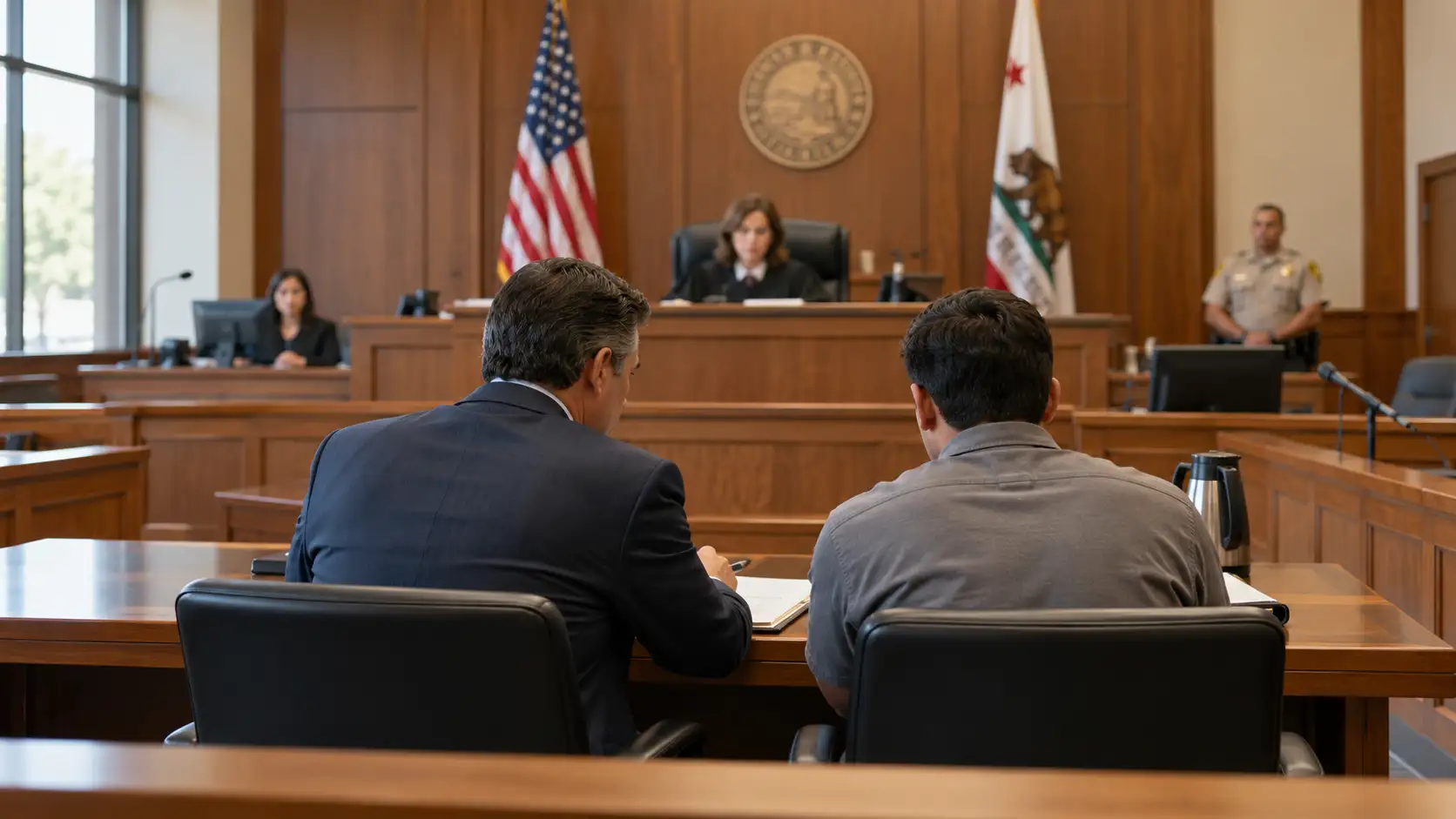
When can charges be dismissed at a preliminary hearing?

Defense Counsel at Preliminary Hearing

What Is a Preliminary Hearing in a California Felony Case?

If you are charged in a California court with having committed a felony offense, you will have the right to have a preliminary hearing concerning the felony charge before the case can be set for a trial. This is true for any and all types of cases that are initially charged as a felony offense.

The purpose of a preliminary hearing is so that a judge, referred to as a magistrate for the purpose of this hearing, can determine whether the prosecution has presented enough evidence at the preliminary hearing to show that there is probable cause to believe that a felony has been committed and that the person charged with that felony offense, defendant, may have committed that offense.

It is important to note here that this standard of proof, probable cause, is a much lower standard than that in a trial on the charge where the prosecution must prove beyond a reasonable doubt that the crime was committed for the defendant to be found guilty.

When Can a Judge Dismiss the Charges?

The magistrate at the preliminary hearing receives the oral and physical evidence presented by the prosecution in making his or her determination as to whether there is a reasonable suspicion (probable cause) that the alleged felony crime was committed by the one accused. If the magistrate does not believe that there is sufficient evidence to show the crime was committed, then he or she will not hold the accused to answer for the charge at trial.

There was a recent case in the Indio Superior Court where someone who was charged with manslaughter and possession for sale of a controlled substance was not held to answer on those felony charges because the magistrate ruled there was insufficient evidence to send the case to trial. The magistrate dismissed the charges against the accused.

This is not usual…but not unheard of. We have had many cases dismissed at the preliminary hearing stage of the case, including a murder case dismissed in the San Diego County Superior Court some years ago. This did not mean that my client was then able to walk out of the courtroom as a free man never to be bothered again by the courts.

Can the Prosecution Refile Charges After a Dismissal?

It should be noted that if a magistrate does decide to dismiss the charges and not hold the accused to answer for trial, the prosecution is given the opportunity to immediately refile the charges against someone and have another preliminary hearing with a new and/or different presentation of evidence at a later date.

Can a Felony Charge Be Reduced to a Misdemeanor?

At the conclusion of the preliminary hearing, the magistrate also has the option to reduce the felony charge to a misdemeanor charge if he or she believes that the crime may have been committed, but that the gravity or seriousness of the offense does not warrant a trial on a felony.

For example, we have had many domestic violence cases initially charged as a felony because there was alleged to have been certain physical injuries inflicted on the alleged victim by our client. When the evidence at the preliminary hearing showed no physical injuries were suffered by the alleged victim, the magistrate ruled that the case was not worthy of a felony charge and that if a trial was to be had on the charges, it needed to be held only concerning a misdemeanor offense.

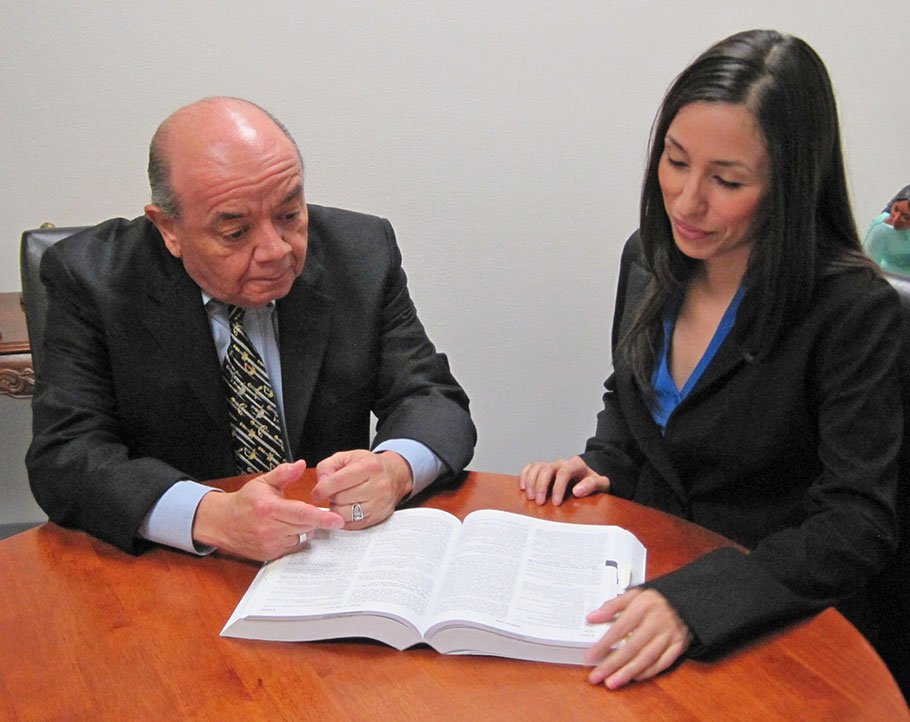
Attorney reviewing case files at desk

What Can the Defense Learn From a Preliminary Hearing?

The preliminary hearing can be a useful step in the steps of a felony case before it gets to trial. Not only can the case be dismissed at that part of the process, but it may also be reduced to a less serious misdemeanor. And the defendant also has an opportunity early in the case see what type of evidence the prosecution may have available to them to later prove guilt in the case at trial.

Although the defendant has the right to present evidence on his or her own behalf at the preliminary hearing, rarely do they do so as it would give the prosecution an early look at the defense that may be presented in the case which otherwise may not need to be shown before trial.

Attorney reviewing case files at desk
Defense attorney and client review paperwork

Why Would a Defendant Waive a Preliminary Hearing?

Also, the defendant may decide to waive the preliminary hearing in some limited number of cases. The primary reason we have done so in the past on very few occasions is when it has been a case where there is some danger in the magistrate hearing evidence which could increase the number of felony charges alleged against someone.

For example, in some child abuse cases, the prosecution may believe that there were a limited number of incidents when the abuse occurred. Whereas the defendant believes if the victim testifies at the preliminary hearing, several other incidents that the prosecution and cops do not know about may come out in testimony by the victim. It may be a good idea to waive the preliminary hearing to ensure that the number of incidents charged remain that limited number for trial.

Note that the prosecution has the right to proceed with the preliminary hearing whether the defendant wants it or not.

What Happens When a Grand Jury Issues an Indictment?

Also, the prosecution may decide to proceed with charges against an accused by presenting the case to a criminal grand jury to have that body issue an indictment against the accused. If the defendant is indicted by a grand jury, the case will not have a preliminary hearing and may go straight to the trial court. This has been done in high profile cases such as for Charles Manson and his people and for Michael Jackson.

Talk With a Palm Desert Criminal Defense Attorney

As you can see there are many possible ways that a felony case may proceed through the criminal justice system. We are very experienced at all of the possible processes and can help you navigate the system if you need to go through it. Please call us as soon as possible to schedule a free consultation about your circumstances.

Call or text us at any time, day or night, 7 days a week at 760-898-0205.

Jimenez Law Offices

Call (760) 345-4777 or Text (760-898-0207) for a free consultation to discuss what your legal rights are and possible defenses in your case.

2026-10-21T13:09:24-07:00October 21st, 2026|Criminal Defense|

Is Road Rage a Crime in California?

Road Rage in the Coachella Valley

Is Road Rage a Crime in California?

This is a question many people are asking themselves as they see an increasing number of incidents on the news that are referred to as “road rage” or when they themselves become the victim of an aggressive and irate driver’s anger and frustration on the roadway.

What Does Road Rage Mean Under California Law?

The term “road rage” cannot be found in the law books as a crime in and of itself, because it is not a particular crime. It is a term that was coined by a news station in Los Angeles in the mid 1980’s to describe certain freeway shooting incidents that were occurring in LA at the time. Since then, the National Highway Traffic Safety Administration has defined road rage as when a driver “commits moving traffic offenses so as to endanger other persons or property; an assault with a motor vehicle or other dangerous weapon by the operator or passenger of one motor vehicle on the operator or passengers of another motor vehicle”.

In other words, it describes the mental state of someone who is exhibiting anger or frustration while behind the wheel of a motor vehicle that may be directed at another person(s) or object that they may be focusing that anger or frustration on at any given time. If that anger or frustration is acted upon in some way that it injures or frightens another person or damages some property, then you have a road rage incident that may be charged in a criminal court as a specific crime such as assault with a deadly weapon or just assault (there is a difference and that will be explained), a criminal threat, brandishing a firearm or a variety of other assaultive or threatening type crimes.

Can Using a Vehicle to Threaten Someone Be Assault?

In California, Penal Code section 240 defines assault as an unlawful attempt, coupled with a present ability, to commit a violent injury on another person. This means that someone just needs the present ability to harm another person…one does not have to actually touch another person to assault them. If you are driving down the road in Palm Desert and a person in another vehicle believes that you just cut them off in traffic and become angry about that, and that other person then tries to slam his car into yours, but fails to actually make contact, that other driver has assaulted you. He or she had the ability to slam their vehicle into your and tried to do so but was not successful. So, the anger that other driver was exhibiting because he or she believed that you cut them off in traffic would be termed road rage by the media. The cops would call it an assault with a deadly weapon, because that assault just mentioned was while the other driver was in a vehicle that has the weight and speed to do significant damage to your vehicle and cause you significant injury. That vehicle the other driver is driving is considered a deadly weapon and if arrested, that driver could be charged with Penal Code section 245, assault with a deadly weapon.

Car waits for antagonist

Can a Road Rage Incident Lead to Felony Charges?

If such an assault actually is completed with actual contact and injury to the alleged victim, then the assault could even be considered attempted murder if the motives and reasons point to an actual mental state where the driver tried to seriously harm the alleged victim. Prosecutors sometimes like to imply these motives and reasons to the accused person to build up their case to the most serious possible charge.

It is important to note at this point that what sometimes seems to be a minor confrontation on a roadway can easily be elevated to a serious crime by resulting injury to an alleged victim…yes, what may have started out as misdemeanor type behavior could become felony behavior and charged as such in a criminal case. A felony case could mean the possibility of a state prison commitment.

Car waits for antagonist
Man points gun from his car

Why Can a Roadway Confrontation Become a Serious Case?

We want to emphasize without sounding too alarming that many types of incidents on the roadway that just start out as an unleashing of frustration from a bad day at work or from a problem at home could escalate to a serious criminal offense. It is illegal to try to use your vehicle as a weapon against another person or vehicle or to imitate the holding of a firearm or the actual showing of a firearm to another motorist or to a pedestrian to try to scare them. These are potential criminal offenses that can get someone arrested and charged in court with a misdemeanor or felony offense.

Talk With a Palm Desert Criminal Defense Attorney

If you are involved in any such incident and are fearful of arrest or if you have any questions about your conduct, please call us as soon as possible to schedule a free consultation about your circumstances.

Call or text us at any time, day or night, 7 days a week at 760-898-0205.

Jimenez Law Offices

Call (760) 345-4777 or Text (760-898-0207) for a free consultation to discuss what your legal rights are and possible defenses in your case.

2026-09-23T16:19:30-07:00September 23rd, 2026|Criminal Defense, DMV|

Missed Your Court Date After a Coachella or Stagecoach Arrest?

Young couple given citation at Stagecoach

What Happens After a Coachella or Stagecoach Arrest?

What happens now?

This article will outline what may happen to you now after your arrest at the Coachella Music Festival or the Stagecoach Music Festival.

Did You Miss Your Court Date? You May Have a Failure to Appear (FTA)

You were given a court date on the citation that the police gave to you at the time of your arrest.

If that date has come and gone and you did not appear in court for whatever reason on the date you were given, then a judge may have issued a warrant for your arrest for your failure to appear (FTA) on the date you agreed to when you signed the citation in your case.

Yes, you agreed to appear in court on the date that is listed on that citation!

You can check on the Riverside County Superior Court website to see if an arrest warrant has been issued in your case if you are able to navigate that resource or you can contact us and we will check to see what the court records indicate.

Don’t Panic if a Warrant Has Been Issued

This can be taken care of by an immediate appearance in court by you or by your attorney if you then hire one to represent you in the case.

This is a serious matter which requires an appearance by someone on your behalf in court at the soonest available date after you discover the FTA.

Either you or an attorney can appear in court to explain to the judge that it was a mistake, not a willful refusal to appear, and the judge will then reset the case for another court date when it may proceed as it would have originally if you had appeared when you were first told to appear.

If it was a willful failure to appear because you were just being rebellious and didn’t want to appear when you were told to appear in court, then the district attorney’s office could file an additional charge to include with your other charges of a violation of Penal Code section 1320.

Woman holding a failure to appear notice

Don’t Expect a Reminder from the Court

You will not be reminded of this court date on your citation by the court or by the district attorney’s office…even if the cop that arrested you told you otherwise.

These cops seem to take some pleasure in giving bad advice to people with this particular issue.

The district attorney may send you a letter saying that they have received your case and that they will resolve it with you before the court date. But if it is not resolved before the court date, you or your attorney must still appear in court on the citation date.

It is up to you to take note of that date to appear that is on the citation.

Woman holding a failure to appear notice

You Don’t Have to Live in the Coachella Valley for Us to Help

We have many clients who have come to us for representation after Coachella or Stagecoach with arrests for drugs, alcohol or fake ID related offenses.

Most of these clients do not live anywhere near us or the courthouse where their case is proceeding or even close to Coachella where the music festivals are held.

Many of our clients live in other parts of California or in other states or countries.

It doesn’t matter where you live for our office to represent you because we can speak to you on the phone and arrange for our representation of you on the phone.

In most cases you never have to return to the Coachella Valley for us or for the court appearance.

In most misdemeanor cases we can appear for you in court throughout the entire proceedings.

Call Now if Your Court Date Is Coming Up

If you believe that you missed your court date or if you have your court date coming up in July with most of the other arrests, call us now to discuss with us how we can help you.

We can get your case handled and dismissed!

Jimenez Law Offices

Call (760) 345-4777 or Text (760-898-0207) for a free consultation to discuss what your legal rights are and possible defenses in your case.

2026-08-19T10:28:08-07:00June 17th, 2026|Criminal Defense, Drug Offense, DUI|

New Law in California to Help You Reduce Your Felony to a Misdemeanor

California Courthouse

What Is a Wobbler Offense?

There is a new law in California to help you reduce your felony to a misdemeanor. This only applies to felony offenses that are considered to be wobblers. This term is actually the term that is used by judges and attorneys throughout California in referring to offenses that can be considered a felony or a misdemeanor, depending on the facts and circumstances involved in a case.

Understanding Penal Code Section 17 and the New Amendment

Since the enactment of Penal Code (PC) section 17 in the year 1872, this section of the law has been the source that describes which crimes should be classified as a felony and which should be considered a misdemeanor. This law previously said that if a felony was charged at arraignment, then the only opportunity that a defendant had to ask a judge to use his or her discretion to reduce the charge to a misdemeanor was at the preliminary hearing which all felonies must go through before a trial is scheduled. Of course, sometimes neither side would have all of the facts to be able to present to judge to address degree of injury or amount of loss which a judge could then consider in deciding whether an offense rises to the level of a felony or not. Because of an amendment to PC 17 which went into effect in January of 2026, a judge now has the discretion to consider the facts of an offense at anytime before trial. The preliminary hearing is not the last opportunity the defense has to bring the motion before the court to ask that the offense be reduced to a misdemeanor.

What Makes a Crime a Felony or a Misdemeanor?

You should understand that some crimes are classified as felonies and some are classified as misdemeanors by the law and there is no question that they are one or the other. But the crimes that are wobblers and can be either a felony or a misdemeanor are the ones that we speak to you about here. What are the factors or circumstances that make them one or the other?

Generally, it is the seriousness of facts and circumstance of that crime that is the deciding factor. Crimes that are usually wobblers are various assault crimes, theft or property crimes, domestic violence offenses, drug and weapon offenses, fraud and financial crimes and some vehicle related offenses. So, if an assault was particularly brutal and someone was hurt badly, it will probably be a felony. If the domestic violence between two people involved no more than a push or slap that did not result in any bruising or bleeding, it will most likely be considered a misdemeanor. Remember, each offense depends on its own set of facts and resulting injury in determining if it should be a felony or a misdemeanor offense. Don’t make the mistake of comparing your charge to someone else’s that seems similar, because it may be different in some significant way that is not easily apparent to you.

Car accident

A Real Case Example: How We Got a Felony Reduced

Recently we handled the defense of a driving under the influence (DUI) case that involved a traffic accident where the passenger in our client’s vehicle was injured in the collision with a light pole. The district attorney initially charged the case as a felony because all they saw was the level of alcohol in our client’s blood system (.08) and the fact that the passenger was taken to the hospital after the accident. They did not consider that the .08 blood alcohol reading was three hours after the accident, and that our client had taken two shots of hard liquor just before the accident occurred, and that the injury to the passenger was a small bruise to his leg that was quickly treated at the hospital, and he was released without anything more than some aspirin to take if he wanted to ease whatever pain there was. The facts of the rising blood alcohol of our client and the medical records of the alleged minor injury were not available to us until after the preliminary examination. When we did have this evidence in our possession, we made a motion to the court that the charge be reduced to a misdemeanor, and it was.

Car accident

Call Us About Your Felony Charge

We know how to handle these serious matters, and we have been doing so for a collective 68 years. If you have any question about your felony charge, call or text us anytime, day or night, and we will give you the benefit of our experience and expertise.

Jimenez Law Offices

Call (760) 345-4777 or Text (760-898-0207) for a free consultation to discuss what your legal rights are and possible defenses in your case.

2026-08-19T10:28:30-07:00May 14th, 2026|Criminal Defense, DUI|

Stagecoach 2026: What You Need to Know Before You Go (And How to Stay Out of Trouble)

Stagecoach 2026

More Cops, More Risk—Same Festival

Stagecoach is coming…

And if you’re heading out this year, there’s something important you should know: law enforcement presence at the last two Coachella weekends was noticeably higher than in previous years.

That trend is expected to continue at Stagecoach.

Translation?
More undercover officers—both male and female—working inside the festival than you saw last year.

Drug Use at Stagecoach: Keep It Private (If At All)

We know drug activity at Stagecoach tends to be lower than at Coachella—but it still happens.
If you’re going to make that choice, understand this:

  • Don’t use drugs out in the open
  • Don’t carry them where they can be seen
  • Don’t share them in plain view

That “quick handoff” move?
Yeah… law enforcement is specifically watching for that.

What Law Enforcement Is Really Focused On

Here’s where things get real.

We’ve been representing people arrested at Stagecoach for over 18 years. We know exactly what officers are looking for—and what they prioritize.

At the top of that list:

  • Alcohol violations
  • Fake IDs
Stagecoach Fake Drivers License

Fake IDs: Not as Clever as You Think

Most fake IDs we see at Stagecoach are from out of state — and they often lead to underage drinking charges.

People assume:

“If it’s from New York or Hawaii, no one will know what it’s supposed to look like.”

That’s not how this works.

If you’re 17 and look 15, an ID saying you’re 25 from Iowa isn’t going to fool anyone.

Stagecoach Fake Drivers License

Undercover ABC Officers: Highly Trained and Everywhere

Inside the festival, many of the undercover officers are from the California Department of Alcoholic Beverage Control (ABC).

And this is what they do year-round:

  • Train to spot fake IDs
  • Run sting operations
  • Catch clerks selling alcohol to minors

They are trained—extensively—to identify IDs from all 50 states.

In court, we’ve challenged their expertise directly.
And time after time, they’ve demonstrated just how trained they really are.

Smart Moves (If You’re Trying to Avoid Trouble)

Let’s keep it simple:

  • Don’t use a fake ID to buy alcohol
  • Don’t make yourself obvious
  • Don’t assume you’re outsmarting anyone

If you somehow end up with alcohol and look underage:

  • Don’t walk around openly holding it
  • Be aware that you will be watched

Know Your Rights If You’re Approached by Police

If an undercover officer approaches you:

  • You do not have to answer questions
  • You only need to provide your name if detained
  • If you are arrested, they must read your Miranda Rights before questioning

Best move?
Don’t engage. Don’t explain. Don’t try to talk your way out of it.

Friends confronted by cops at Coachella

Yes, Undercover Officers Blend In (Really Well)

One more thing people underestimate…

There are more female undercover officers working these festivals than ever before.

And they don’t look like cops.

They look like everyone else:

  • Partying
  • Drinking
  • Acting completely normal

They are trained to blend in—and they’re good at it.

If You Get Cited or Arrested at Stagecoach

If something goes sideways:

  • You’ll receive a citation with a court date
  • Do not assume you’ll get something in the mail later
  • That citation may be the only notice you receive

Missing your court date can make things much worse.

Talk to a Local Defense Attorney Right Away

If you’re cited or arrested, don’t wait.

Call or text us immediately: 760-898-0205

We handle these cases regularly and can often appear in court on your behalf—so you don’t have to come back.

We’ve Seen It All—And We’re Here to Help

We’ve been representing Stagecoach-related cases for nearly two decades.

If something happens, we know the system, we know the players, and we know how to help you navigate it.

Jimenez Law Offices

Arrested at Coachella or Stagecoach? We’ve helped hundreds of people in your exact situation.

Contact us today and take the first step towards protecting your freedom

Call (760) 345-4777 or Text (760-898-0205) for a free consultation to discuss what your legal rights are and possible defenses in your case.

2026-08-19T10:30:47-07:00April 23rd, 2026|Criminal Defense, Drug Offense, DUI|

Why Do People Get Arrested at Coachella and Stagecoach?

Photo of Coachella Stagecoach

What You Need to Know Before You Go

If you’re heading to Coachella or Stagecoach, you’re probably thinking about music, friends, and a great weekend—not getting arrested. But every year, hundreds of festivalgoers in Indio, California end up dealing with citations, charges, and court dates they never saw coming.

At Desert Defenders, we’ve been practicing law in the Coachella Valley since 2008 and have represented countless individuals arrested at local music festivals. Based on real cases—not hypotheticals—we’re breaking down how and why these arrests happen, and what you should know before you go. If you’re looking for an experienced criminal defense attorney in the Coachella Valley, this is exactly the kind of situation we handle.

Can You Get Arrested at Coachella or Stagecoach?

Short answer: yes—and it happens every year.

With a heavy law enforcement presence across Indio and the surrounding Coachella Valley, officers are actively looking for violations both inside and outside the festival grounds. Between uniformed police and undercover agents, arrests are far more common than most people expect.

First Things First — Where the Festival Actually Happens

One detail that surprises people: the festivals aren’t in Coachella—they’re in Indio.

That matters because the City of Indio and its police department handle law enforcement outside the festival grounds, while additional agencies operate inside. If you’re cited or arrested, your case will typically be handled in Riverside County courts.

Undercover at Coachella

Who’s Really Policing Inside the Festival?

Inside the gates, things get a little more undercover.

Officers from the California Department of Alcoholic Beverage Control (ABC) are heavily involved. These are the same officers who typically handle underage drinking and ID violations—but during festival weekends, their role expands significantly.

They’re not in uniform. They blend in.

Undercover at Coachella

Undercover Tactics You Probably Won’t See Coming

This is where most people get caught off guard.

Undercover officers are trained to look like regular festivalgoers. They may:

  • Hang around groups casually
  • Watch for drug use or possession
  • Look for fake IDs or underage drinking
  • Wait for someone to reveal or handle something suspicious

Once they think they’ve seen enough, they move in quickly.

Common Reasons People Get Arrested at Festivals

Based on real cases, the most common charges include:

  • Drug possession
  • Possession of a fake ID (including out-of-state IDs)
  • Minor in possession of alcohol

These situations often lead to misdemeanor charges, but that doesn’t mean they’re minor in impact. If you’re facing drug possession charges, it’s important to understand how quickly things can escalate.

You can learn more about how these cases are handled here: drug crime defense attorney.

Alcohol-related arrests, including DUI, are also common during festival weekends. If that happens, working with a DUI attorney early can make a significant difference.

Know Your Rights — Especially the 4th Amendment

Here’s where things get important.

You have a constitutional right to be free from unreasonable searches and seizures. That means:

  • Officers generally need a warrant or probable cause
  • Suspicion alone isn’t enough
  • You are not required to consent to a search

You do not have to consent to a search unless police have legal grounds such as probable cause or a warrant.

If an officer approaches you and demands to see what’s in your hand or pocket, you have the right to refuse—unless you are being lawfully detained or arrested.

Friends confronted by cops at Coachella

What to Do If You’re Confronted by Police

If you’re approached:

  • Stay calm
  • Do not panic or escalate
  • Do not consent to a search
  • If you are not detained, you can walk away

If you are arrested:

  • Provide your identification
  • Do not answer questions about the situation
  • Do not try to explain or talk your way out of it

What Happens After an Arrest

Most people receive a citation with a court date in Indio.

Here’s the part many people get wrong:

You will NOT just receive something in the mail explaining everything.

If you wait, you risk missing important deadlines—especially if you’re from outside Riverside County or out of state.

How to Stay Out of Trouble at Coachella and Stagecoach

A few simple steps can go a long way:

  • Don’t carry illegal substances
  • Avoid using fake IDs
  • Be aware of your surroundings
  • Understand your rights before you go

A lot of arrests happen in moments where people let their guard down. A little awareness can make a big difference.

Happy couple consulting Jimenez Law

The Good News — This Doesn’t Have to Ruin Your Life

The majority of these cases are manageable—especially when handled early.

Most festival attendees are from:

  • Outside Riverside County
  • Other parts of California
  • Out of state (or even out of the country)

In many misdemeanor cases, an attorney can appear in court on your behalf—meaning you may not have to return at all.

Happy couple consulting Jimenez Law

When to Call a Lawyer

If you’ve been arrested at Coachella or Stagecoach, don’t wait.

Most people we help thought it was “no big deal” at the time—until they realized it involved a court date in Riverside County.

Reach out as soon as possible after the incident. Early action gives you the best chance at avoiding a conviction and protecting your record. You can contact our office or speak directly with an experienced criminal defense team about your situation.

Jimenez Law Offices

Arrested at Coachella or Stagecoach? We’ve helped hundreds of people in your exact situation.

Contact us today and take the first step towards protecting your freedom

Call (760) 345-4777 or Text (760-898-0207) for a free consultation to discuss what your legal rights are and possible defenses in your case.

2026-08-19T10:36:56-07:00April 7th, 2026|Criminal Defense, Drug Offense, DUI|

DUI’s and Driver’s License Suspension

DUI stop

Driving Is a Privilege — Not a Right

Many people are confused and unaware of the specifics as to how and when someone’s privilege to drive a motor vehicle on the roadways of the Coachella Valley and the State of California may be suspended.

First, please note that it is considered a “privilege” under the law to be able to drive a motor vehicle in California and in the entire USA. You do NOT have a right to drive as you wish. So, because it is a privilege afforded to you, that privilege can also be taken away from you if you do not follow all of the laws that have been enacted by the state.

Understanding DUI and License Suspension Laws

As the best driving under the influence (DUI) lawyers and Department of Motor Vehicle (DMV) attorneys in the Coachella Valley to represent you when you have a problem with your driver’s license being suspended, we want to help you here in this blog piece to better understand the DUI/license suspension laws and rules that may apply to you.

Pulled over by Police in a Golf Cart

How a DUI Arrest Can Trigger License Suspension

If you are ever arrested for a DUI that is alcohol related, you were stopped or contacted in some way by a police officer who is using the statutes of the California Vehicle Code to determine if he will arrest you and seize your driver’s license because he believes that alcohol has impaired your ability to safely operate the vehicle, bicycle or animal that you were driving or riding on before or when he contacted you. (Yes, in California you can get a DUI on a bicycle or horse!) The officer who has contacted you for a DUI investigation is representing both DMV and the Courts when he is questioning your ability to be safe on the road or wherever you may be. (Yes, on a golf course or a trail can be DUI territory!)

What Happens to Your License After a DUI Arrest

The Vehicle Code authorizes a police officer to make a determination that someone may be driving with a blood alcohol of .08 or greater. If the officer makes that determination, he may arrest you for a DUI and the law allows him to take your license from you (snatch it even if the card itself is not in your actual possession) and he must give you a temporary license that is a pink piece of paper that says on it that you are still allowed to drive as you normally would for the next 10 days.

This temporary license also tells you in small print that during those 10 days from the date of the arrest, you may request that DMV schedule an administrative hearing where you may fight to keep your license valid. This hearing is only the concern of DMV and has nothing to do with the arresting officer’s other job of working for the court system. If you do not yourself or have your attorney contact DMV during those 10 days to request this admin hearing, you license will be automatically suspended. The length of suspension depends on many factors that your attorney can explain to you.

If your attorney or you do request the hearing in a timely manner, DMV will place a stay on the license suspension until there is a decision from the admin hearing. That means that you will be able to drive as normal during that time. It could be several months before there is a hearing and a decision on the hearing.

We request and conduct dozens of these hearings each month. We have been doing this since DMV first started this process many years ago…and we have been consistently successful since this time.

The Separate Court Process for DUI Charges

At the same time that the cop is doing DMV’s dirty work, he or she is also starting the process of giving you a citation for the DUI arrest which gives you a court date for your appearance in court. This is an entirely different process than what DMV will be doing to try to suspend your license. The court process will get started after the cop sends a copy of your citation and the arrest report that the cop prepares to the district attorney’s (DA) office for review and the possible filing of criminal charges against you. Your attorney has an opportunity at that point to contact the DA’s office at that point to try to encourage them to not file charges against you if there appears to be insufficient evidence or a violation of your 4th amendment right to be free from an unreasonable search and/or seizure. If that DA does file the charges against you, then the prosecution case against you will attempt to suspend your license, fine you, put you on probation and incarcerate you in certain cases.

DMV Suspension vs. Court Suspension

If you license is suspended by the DMV, the court can also suspend your license. AND if you can beat the suspension at DMV, the court can still take your license from you as one proceeding has no effect on the other. You can beat both though and you should try to do so.

Jimenez Law Offices

How Jimenez Law Offices Can Help

We can help you with this whole sometimes complicated and often harsh situation which can result from a DUI arrest. We know what it takes to fight these and if you come in for a free consultation, we can talk about it.

Contact us today and take the first step towards protecting your freedom

Call (760) 345-4777 or Text (760-898-0207) for a free consultation to discuss what your legal rights are and possible defenses in your case.

2026-08-19T10:55:12-07:00February 17th, 2026|Criminal Defense|

Know Your Rights When Confronted by Immigration Enforcement!

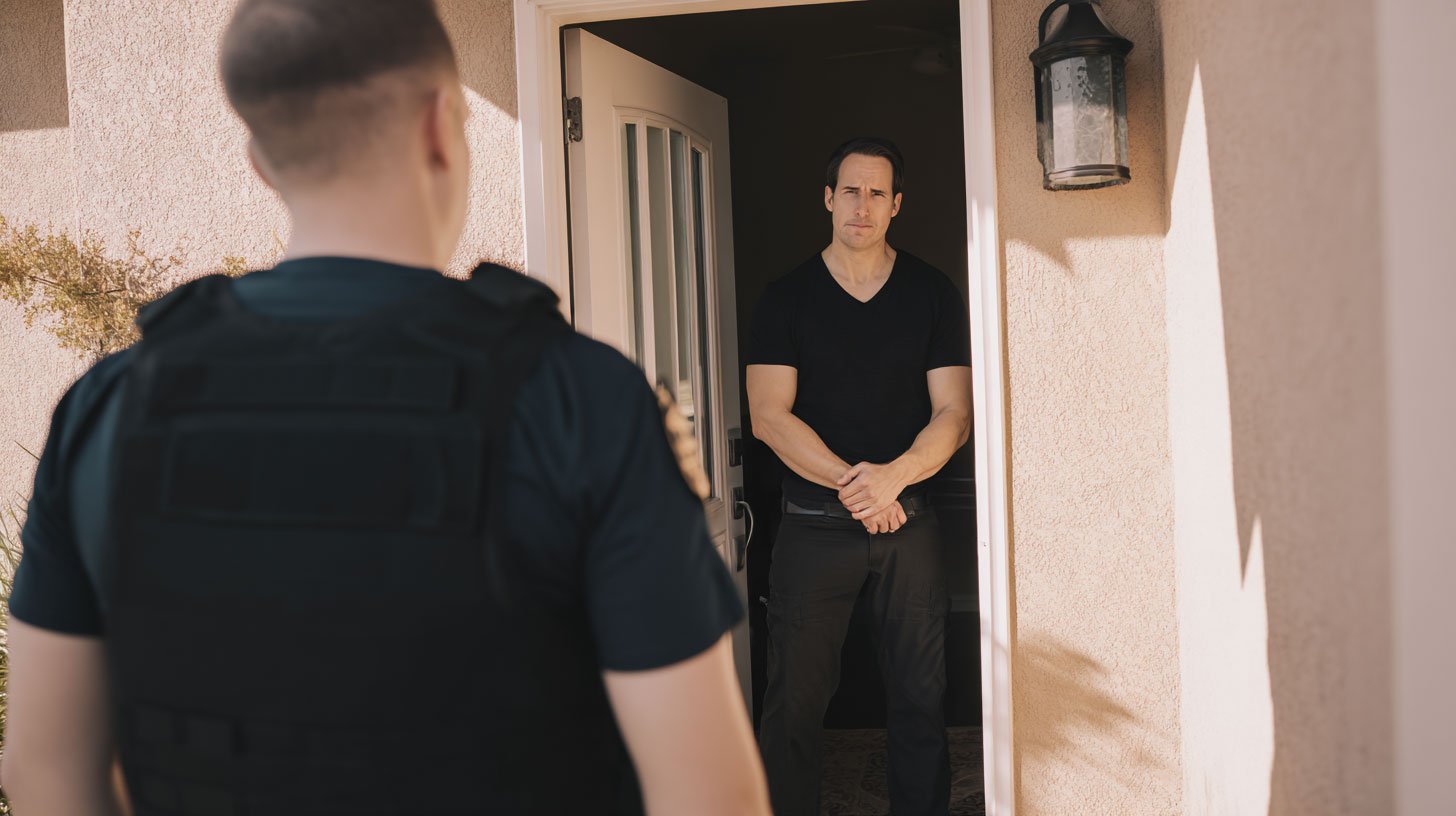
Cop at door of immigrant

Why Knowing Your Rights Matters Right Now

In this current age of fear and oppression at the hands of US government agents, it is important that you, whoever you are and whatever your status is here on the land that is considered the United States of America, know what your constitutional and statutory rights are during any contact with ICE, Border Patrol, Homeland Security, FBI or whatever the cop(s) may be calling him or herself at any given time.

The Constitution Applies to Everyone in the United States

Remember, the US Constitution applies to anyone who is in this country…no matter how you arrived here or what the government believes your current immigration status is at the time you are contacted.

Know the rights in your home

Your Rights Inside Your Home Under the Fourth Amendment

Let’s start out assuming you are in your place of residence…whether you own it, rent it or are just a guest there. You have a right pursuant to the Fourth Amendment of the US Constitution that says:

“The right of the people to be secure in their persons, houses, papers, and effects, against unreasonable searches and seizures, shall not be violated….”

You Do Not Have to Open the Door Without a Valid Warrant

That means that unless this government agent has a warrant to enter your residence and/or search and seize your person, or your freely given consent, you do not have to let him or her into your residence. You do not even have to open the door if they knock or ring your doorbell.

It is best to not do anything or say anything if you are inside and you do not want the cop to join you inside. If you want to ask them what it is they want, do that without opening the door. If you have a screen security door, talk to them through that. But DO NOT open the door for any reason if you do not want them inside.

Why Opening the Door Can Be Used Against You

Even the slightest crack in the opening of a door will mean they will force it open further to go inside, and they will lie in court about it and say that they thought you were inviting them in by opening the door. Everyone has seen what the alleged cops (ICE) are doing every day as far as lying about what some average person says or does to them or at them.

What Makes a Warrant Valid

The cop must have a search or arrest warrant signed by a real judge, not an immigration court hearing officer, to be able to lawfully enter your home or arrest you without probable cause. That probable cause is what a judge considers in deciding if they should sign and issue that warrant or not.

woman walking down street

Your Rights When Stopped in Public

If you are walking down the street and a federal government cop stops to question you, you do have to stop, but you do not have to do anything beyond giving them your name at that point. If the cop just starts asking you questions, you do not have to answer him or her.

You have the Fifth Amendment right to remain silent after you have identified yourself. If you are not being lawfully detained (questioning based upon probable cause) or being lawfully arrested (not free to leave), you should just walk away if a federal agent stops you in public.

Probable Cause and Unlawful Arrests

You can be stopped without a warrant, but you cannot be searched or arrested without probable cause. This term probable cause means that the cop has to have sufficient reasonable belief that you have committed or are about to commit a crime.

Of course, we have seen lately in the news that many people are confronted and arrested and killed without probable cause. Many of the people who are being accosted without probable cause are spending a day or two in jail and then being released without ever being charged with any crime. This is a misuse of power by these government officers and should be subject to some penalty in civil court. But it is yet to be seen if any of the government’s agents will be held accountable in court.

Traffic Stops and Minor Infractions

If you are stopped on the street driving and you commit a minor traffic offense (infraction) you should not be legally arrested or deported. A regular city or county cop can only give you a traffic citation with a date to appear in court if you commit a minor traffic infraction. He or she cannot take you to jail.

The same is true for federal officers who have no jurisdiction or duty to police a traffic matter. Again, the current federal cop actions are to make it a bigger thing than it really is. So just go along with whatever they demand of you to get yourself away from then…then seek out the assistance of an attorney.

Jimenez Law Offices

How Jimenez Law Offices Can Help

At Jimenez Law Offices, we do not handle immigration matters. We only handle criminal cases that are sometimes related to immigration matters. If you have a criminal matter that you need and attorney to represent you on, call us.

John Jimenez meeting with Agxibel Barajas

If you have an immigration matter that you need an attorney to talk to about or to represent you on, we recommend calling Agxibel Barajas at the BARAJAS Law Firm. We have worked with Agxibel on various legal matters over the past 13 years. We trust her expertise in immigration and family law matters and refer many cases to her office that involve these types of legal issues and she refers any criminal matters that she is contacted about, to us.

Call Agxibel Barajas at 442-333-4736 or email her at office@thebarajaslawfirm.com.

Contact us today and take the first step towards protecting your freedom

Call (760) 345-4777 or Text (760-898-0207) for a free consultation to discuss what your legal rights are and possible defenses in your case.

2026-08-19T10:54:57-07:00January 27th, 2026|Criminal Defense|

Immigration Enforcement by ICE and Your Constitutional Rights and Legal Protections

ICE Arrest

Why People Are Concerned About ICE Today

We know that many people nowadays are concerned about what their rights are if they are stopped, questioned and arrested by “ICE” which is the investigative arm of the Department of Homeland Security (DHS). ICE is the arm of DHS that carries out its Enforcement and Removal Operations (ERO).

How Criminal Defense Connects to Your Constitutional Rights

We want you to understand that much of what we concern ourselves with in the defense of people accused of committing a crime is the use of the 4th and 5th Amendments of the US Constitution to fight their case and to keep them from being convicted of a crime and possibly going to jail.

U.S. Constitution

Do Constitutional Rights Apply to Non-Citizens?

Although the defense and representation of immigration cases is very different from the defense of criminal charges, some aspects of the protections everyone in the United States is afforded before going to court on charges are the same. This means that the US Constitution is available to everyone who is present in the US no matter whether they are a citizen, permanent resident, authorized visitor or if they entered the country without permission from the government to do so…illegally, you could say.

Your 4th Amendment Right: Freedom From Unreasonable Search or Seizure

If you are contacted by ICE or any cop, you have the 4th Amendment right to be free of an unreasonable search or seizure. This means that you have the right to walk away from that officer unless you are being legally detained or arrested (seized).

When ICE Claims to Have a “Warrant”

We have seen on the news or heard from friends or relatives that the ICE cops say they have a “warrant”. You should ask to see that warrant to see if it is actually a warrant signed by a judge or magistrate, as is required, and if it has your name on it. If there is no warrant or the warrant you are shown does not have your name on it, you do not have to comply with the cop’s request that you stay where you are at. Yes, you may be physically restrained and abused, but they would not be doing that legally if there is no warrant and they do not have probable cause to detain you.

If ICE Agents Come to Your Home

Do not open your door if you are home and an ICE agent knocks on your door. The 4th Amendment of the US Constitution is interpreted as saying that you have no obligation to open the door and if he or she have a valid warrant, they will get in anyway. Do not make it easier for them because chances are they do not have a valid warrant and cannot legally enter your home.

Your 5th Amendment Right: Remain Silent

If the ICE cop or any cop wants to question you, you do not have to say anything other than to identify yourself You have the 5th Amendment right to remain silent and not answer any questions. We always advise our clients to not answer any questions at all beyond their name because you are not usually going to talk the cop out of arresting you anyway and chances are you are going to say something that will be used against you later in court…yes, no matter how clever or sharp you think you are, your words will be twisted or misinterpreted and will be used against you.

You Don’t Have to Sign Anything Without a Lawyer

The 5th Amendment also is interpreted to say that you do not have to sign anything that you are given to sign without first speaking to a lawyer about it. You have the right to speak to a lawyer before you proceed with whatever they are asking of you. In a criminal case, you have the right to have a lawyer appointed to represent you at all stages of the proceedings if you cannot afford to hire an attorney yourself. That is NOT a right that you have in an immigration case. So it is best to not say anything until you get the point in the process when you can speak to an attorney. There may be a point in an immigration proceeding when a lawyer will be appointed. But it will not be at that initial stage of questioning, like in a criminal case.

Jimenez Law Offices

If You Face an Immigration Case in the Coachella Valley

If you do get involved in an immigration case while here in the Coachella Valley, you may call us at any time and we can refer you to an excellent immigration attorney who will be able to help you with your case.

Contact us today and take the first step towards protecting your freedom

Call (760) 345-4777 or Text (760-898-0207) for a free consultation to discuss what your legal rights are and possible defenses in your case.

2026-08-19T10:54:40-07:00December 17th, 2025|Criminal Defense|

Can You Clear Your Criminal Record in California?

A man standing in the desert at sunrise near Palm Desert

Can You Clear Your Criminal Record in California?

If you have been convicted of a crime in the Coachella Valley or any part of California and you now want to get the conviction dismissed or expunged, there are several considerations that go into whether you may be able to clear your criminal record.

You may be able to clear your criminal record in California through a court-ordered dismissal under Penal Code 1203.4. If you successfully completed probation or your case meets specific legal requirements, the court can set aside your conviction and dismiss the charges, removing it from public record searches — though it will still appear on official background checks.

Not All Convictions Can Be Dismissed

First, you should be aware that not all convictions can be dismissed off one’s record. There are certain sex and traffic offenses that are exceptions to the dismissal law.

And also, to call it an expungement is not the appropriate term to use for any of the particular methods available for dismissal. The actual law does not mention the term “expungement,” so you should not either.

A gavel sitting on legal paperwork

California Penal Code Section 1203.4

The California Penal Code section that primarily addresses the dismissal of a conviction from a record is 1203.4. It is a lengthy section, but it basically says that if you have successfully completed your period of probation or if it has been terminated early for good cause, then you may apply to the court to have the court set aside your conviction and dismiss the charge(s).

If you were convicted of a misdemeanor or infraction and were never placed on probation, the law allows you to petition to have the conviction dismissed after one year has elapsed since the date of conviction if you have not committed any new offenses.

What “Successful Completion” of Probation Means

Successful completion of probation generally means that you have not violated any term of the probation while you have been on probation. For example, if you have another subsequent criminal case pending against you at the time your probation period ends in the first case, that generally means that you have not successfully completed your probation in the first case.

An experienced attorney can review your criminal record and determine whether you appear to have successfully completed your period of probation.

You should note that even if you still owe at the end of your otherwise successful probation period a restitution amount to a victim or the court that was a payment ordered as a term of probation, you may still be considered for a dismissal of the conviction at the end of the probation period to seal your record.

How to Petition the Court

There are various and numerous exceptions to this dismissal by the court. So, you should check with an experienced attorney as to whether your particular conviction is one that is qualified to be dismissed before you decide to proceed with the process.

The process involves the filing of a Petition with the court clerk and the serving of a copy of the Petition with the district attorney’s office in the county where the conviction was entered against you.

What a Dismissal Actually Does

Note that the sealing of your record by a court-ordered dismissal of your conviction does not wipe out of existence the fact that you have been convicted of a crime. It does take the conviction out of public view or public search of records.

Of great importance also is that you are allowed to say “no” on most job applications if asked if you have been convicted of a crime.

The conviction will still appear on your rap sheet if a cop runs it or on a background check. Your record will say the conviction has been dismissed pursuant to Penal Code section 1203.4 on the rap sheet or background check. And it is still a prior offense if that becomes relevant for a subsequent offense.

Limitations of a Dismissal

  • A dismissal does not restore your right to own or possess a firearm if that right was taken away because of the conviction.

  • Any protective or restraining orders may still stay in effect after the dismissal.

  • If you were ordered to register as a sex offender, the conviction dismissal will not relieve you from that registration obligation.

  • If you were sent to state prison, this type of dismissal is not available to you.

You may have other remedies to get the conviction off of your record. That is why it is important to talk to an experienced attorney such as one of us at The Jimenez Law Offices about whether you may be able to clear and seal your criminal record here in the Coachella Valley.

Jimenez Law Offices

Call a Criminal Record Sealing Lawyer in the Coachella Valley Today

If you have questions about clearing your record or want to know whether your conviction can be dismissed, call us. We’ll review your case, explain your options under California Penal Code 1203.4, and guide you through every step to help you move forward with a clean slate.

Contact us today for a free consultation and take the first step towards protecting your freedom. call us now (760) 345-4777 or text us (760-898-0207) for a free consultation to discuss what your legal rights are and possible defenses in your case.

2026-08-19T10:54:26-07:00November 10th, 2025|Criminal Defense|
Go to Top